A chronological list of blog posts summarising my research outputs and news is below.
Posts I have published as part of the Aerospace Engineering Blog, an outreach blog on the history and technology of aerospace engineering, can be found here.
Posts supporting my Aerospace Engineering Podcast episodes are here.
-
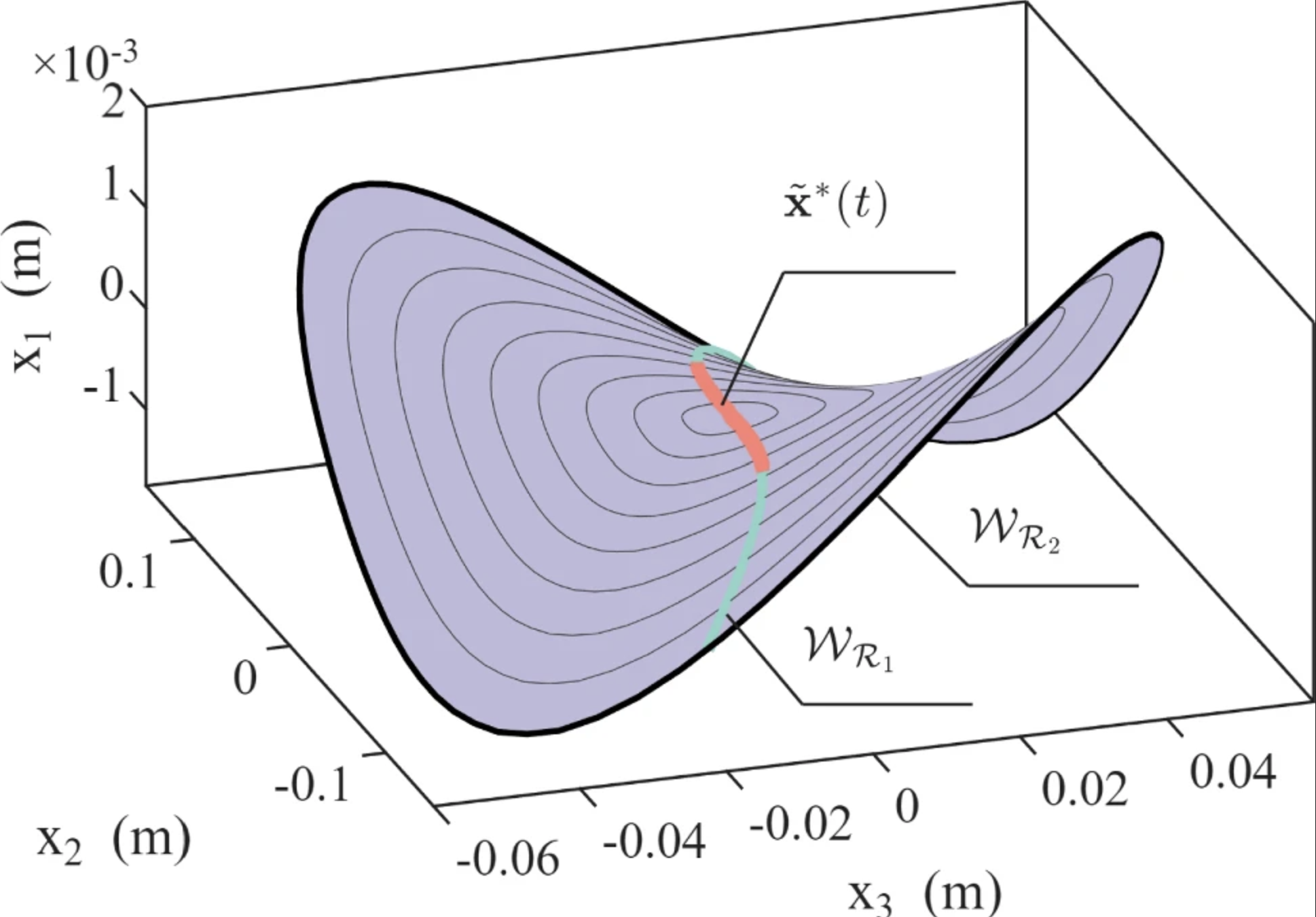
Knowing when to trust a reduced-order model
Tap a thin panel, such as an aircraft skin, and it rings at a set of well-defined frequencies. Each frequency belongs to a mode shape, a pattern of deflection the panel likes to vibrate in, and for small vibrations these modes are wonderfully well behaved. They are decoupled from one another, and any motion can…
-

Shape-shifting by reprogramming the energy landscape
Think of a structure’s elastic behaviour as a ball resting on a hilly landscape. Every dip in that landscape is a shape the structure is happy to hold on its own, and every ridge between two dips is the energy barrier that keeps it there. A bistable structure, such as a hair clip or a…
-
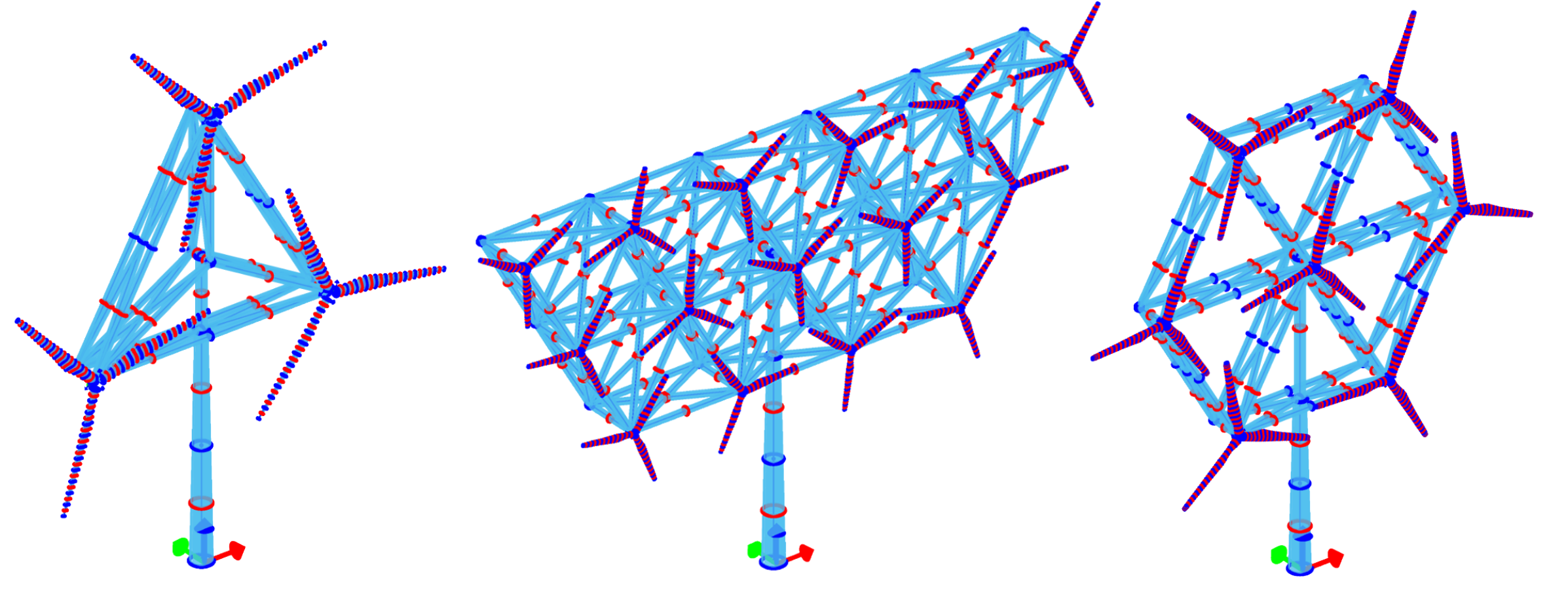
Optimising the support structure and rotor count of multi-rotor wind turbines
Wind energy is expected to be one of the central pillars of a low-carbon electricity system, and for the past few decades the industry has pursued a single, simple strategy to push costs down: build bigger. Each new turbine generation carries a larger rotor than the last, because — up to a point — a…
-
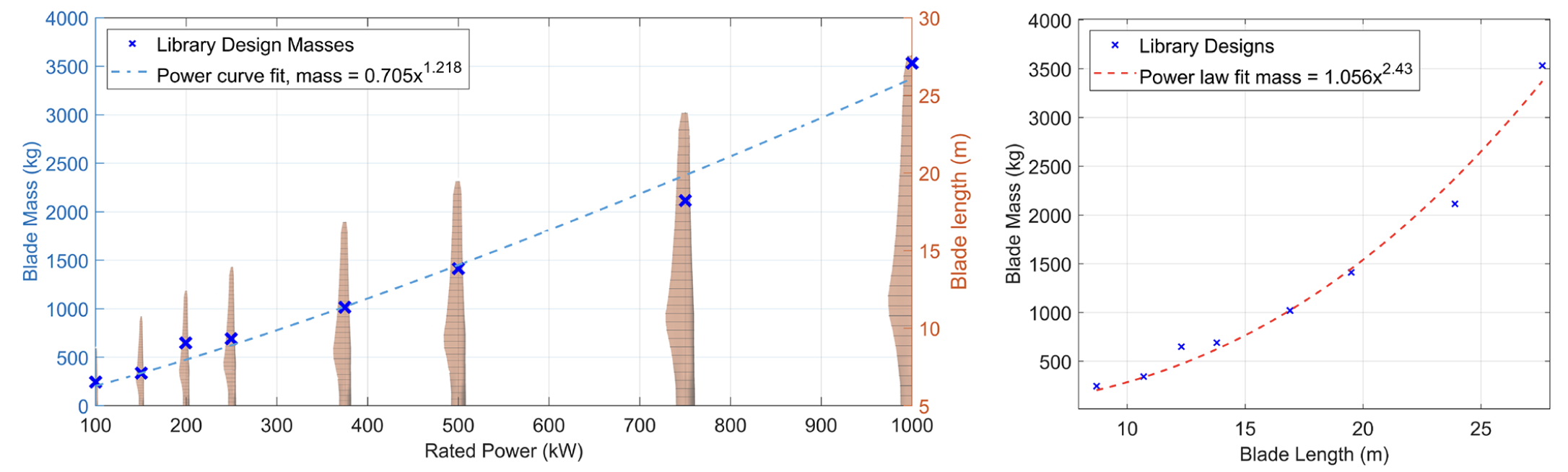
Open-source reference rotor library for multi-rotor development and innovation
Wind energy is expected to play a central role in the global transition to low-carbon electricity. Over the past decades, the dominant design for wind turbines has been the single large rotor mounted on a tall tower. However, as turbines continue to grow in size, engineers face increasing challenges related to transportation, manufacturing, structural loads,…
-
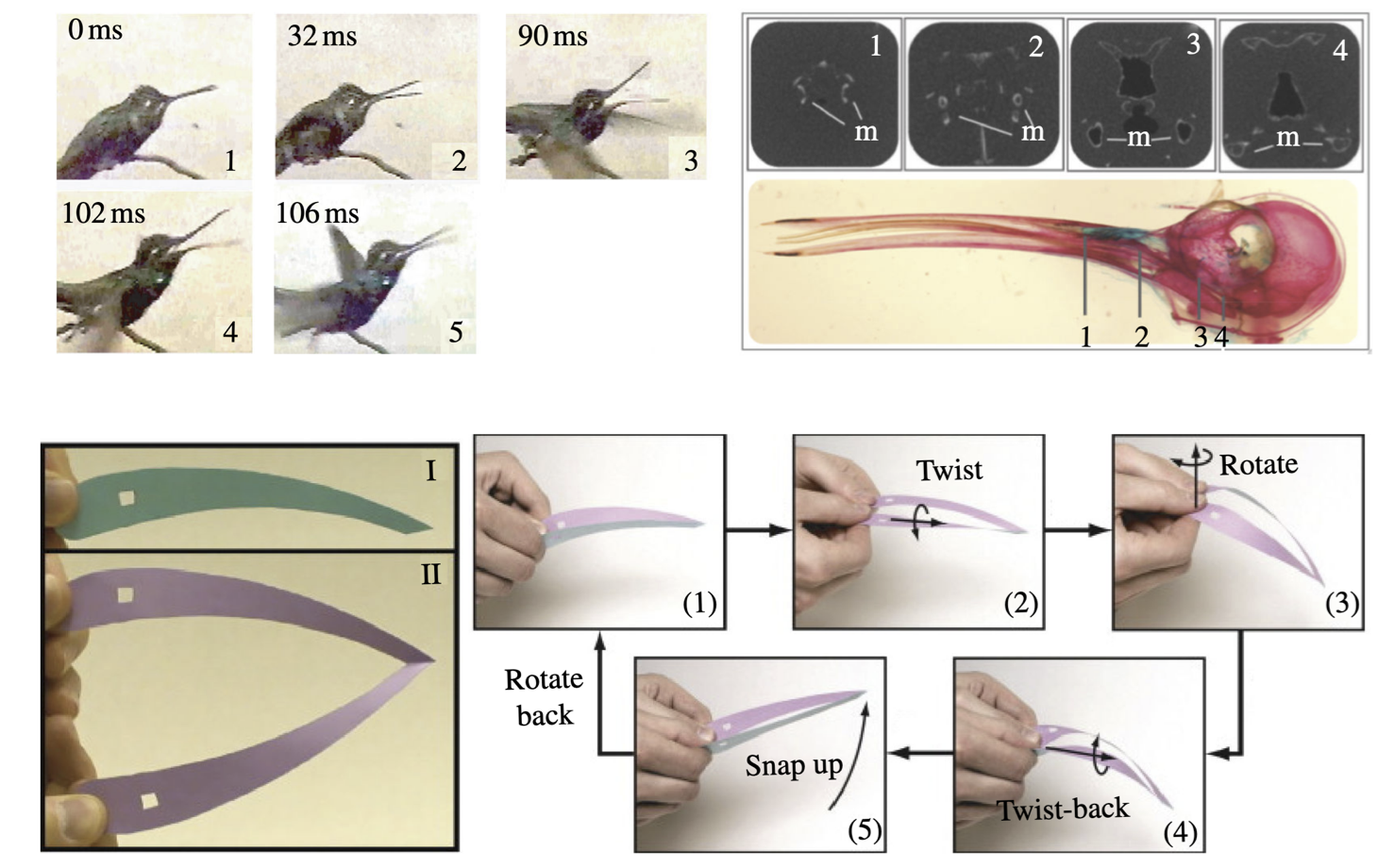
Hummingbird beak inspired soft robotics
Nature often solves engineering problems in ways that are both elegant and efficient. A striking example can be found in the beak of the hummingbird. When a hummingbird captures an insect, its beak snaps shut with remarkable speed. What is fascinating about this motion is that it does not rely purely on muscular force. Instead,…
-
Using origami to explain clicking sounds produced by moths
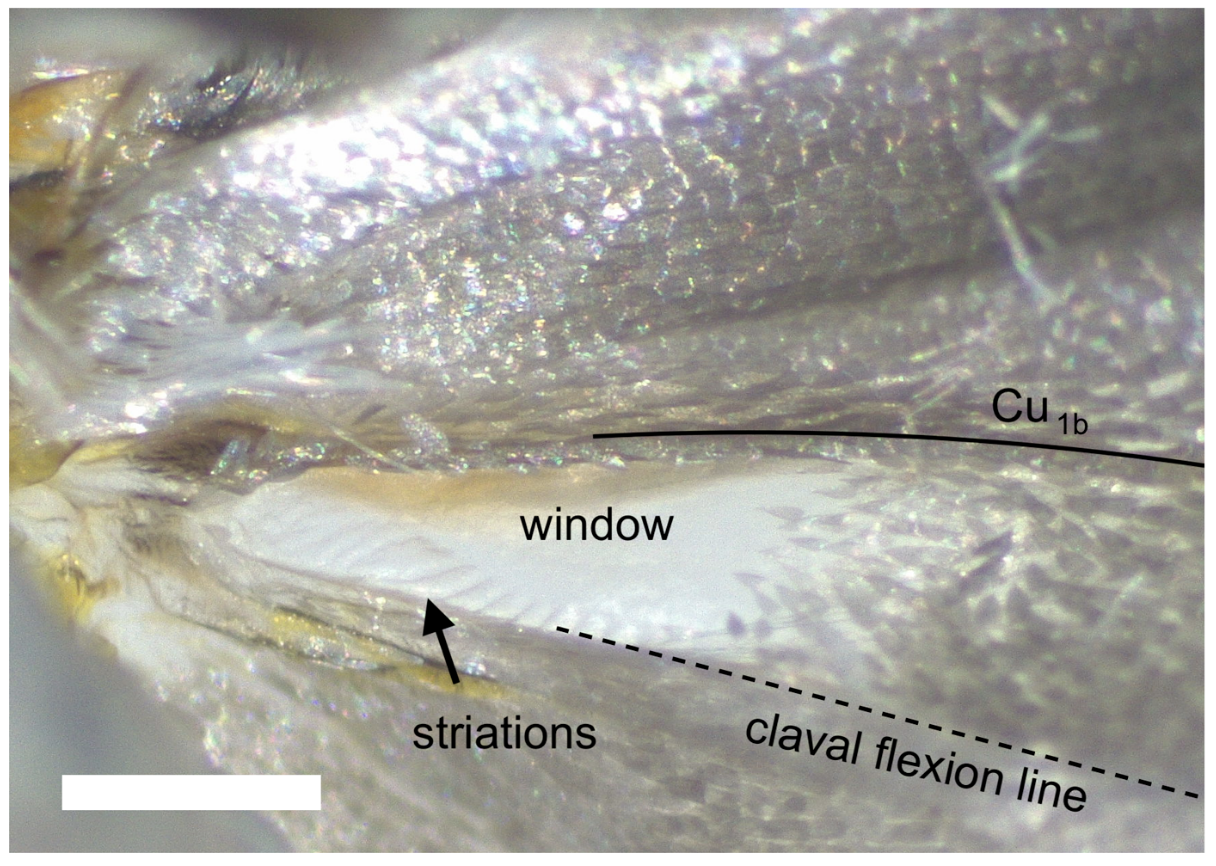
Moths are not usually thought of as noisy animals, but some species produce rapid bursts of ultrasonic clicks that interact with the echolocation systems of hunting bats. In ermine moths (Yponomeuta), these sounds originate from a small structure on the hindwing known as a tymbal. The mechanics behind how this tiny feature generates sound are…
-
Model for kirigami buckling
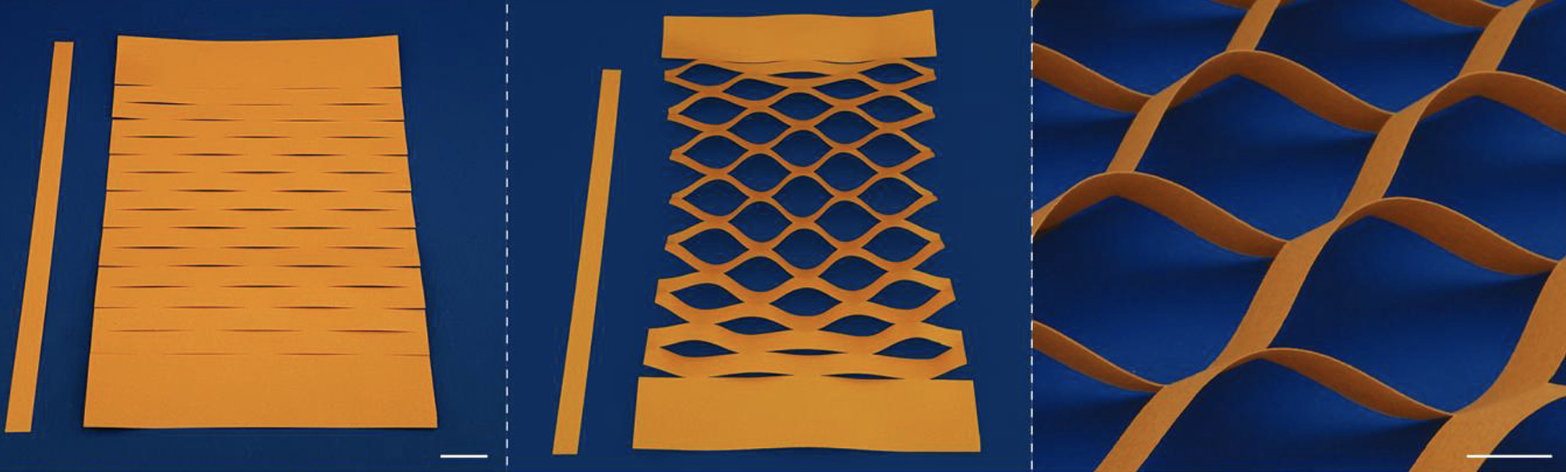
Kirigami is the sister of the more well-known origami. While origami focuses on creating art out of folding paper, kirigami extends this to allow for cuts to be introduced. Both origami and kirigami have been researched extensively over the last decade to explore potential applications in structural engineering. For example, when a parallel matrix of…
-
Gust load alleviation for aircraft wings
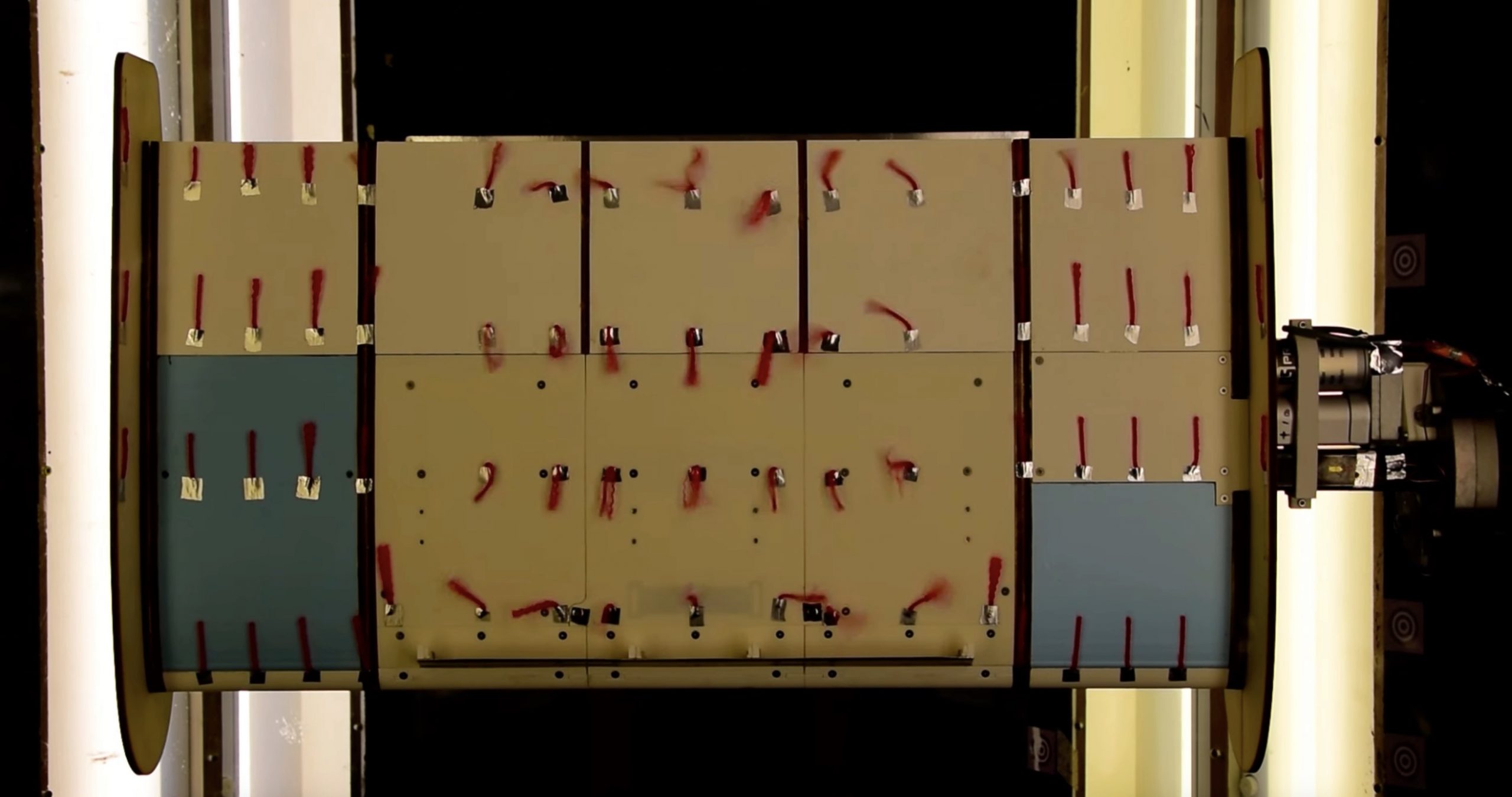
Aircraft wings are designed for the worst-case scenario encountered during a service lifetime. Generally, this is a severe gust that occurs only a handful of times but produces significant bending stresses at the wing root to require substantial reinforcement. Because the aircraft spends the majority of its lifetime not experiencing such a rare, extreme load…
-

UKRI Future Leaders Fellowship
I am pleased to say that I have been awarded a Future Leaders Fellowship by UK Research & Innovation. The fellowship aims to demonstrate how lightweight and sustainable shell structures can be manufactured from reclaimed-fibre composites, accelerating the sustainable use of composite materials. To achieve this, the project will combine state-of-the-art manufacturing technologies and simulation…
-
Multi-rotor wind turbines
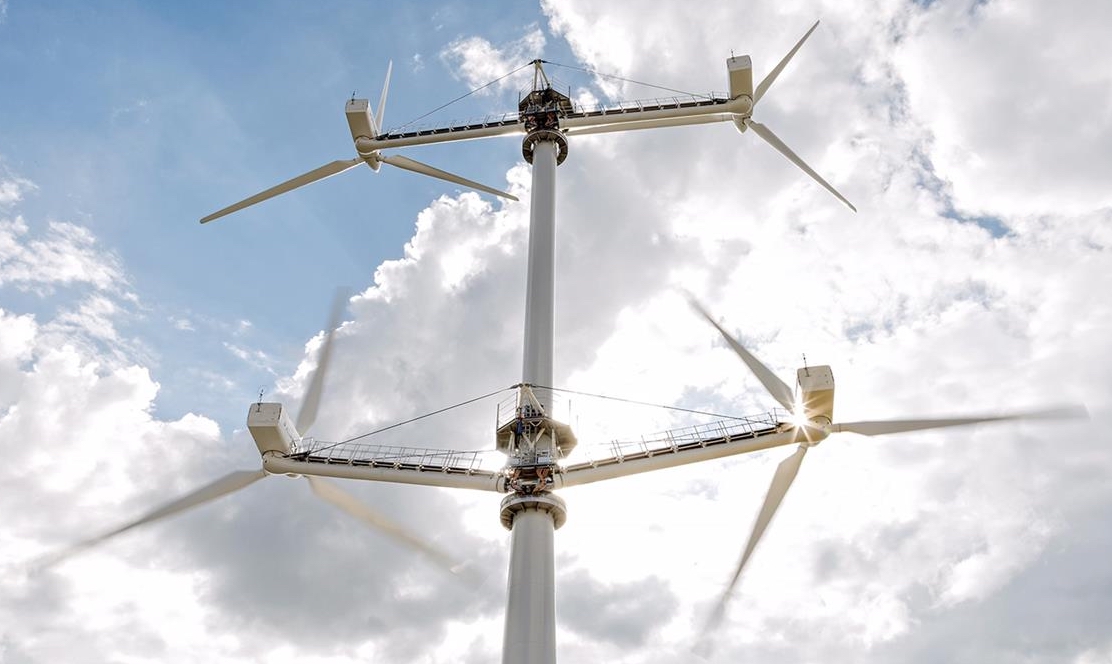
A PhD student I am co-supervising (Abdirahman Sheik Hassan) has just published his first paper—a review on multi-rotor wind turbines. To extract more and more energy from the wind, turbine blades are getting longer and longer. This scaling places significant challenges on the materials, manufacturing, testing, transportation, operation, and maintenance of the blades. With blades…
-
Prediction of dimple initiation site in shells using digital image correlation
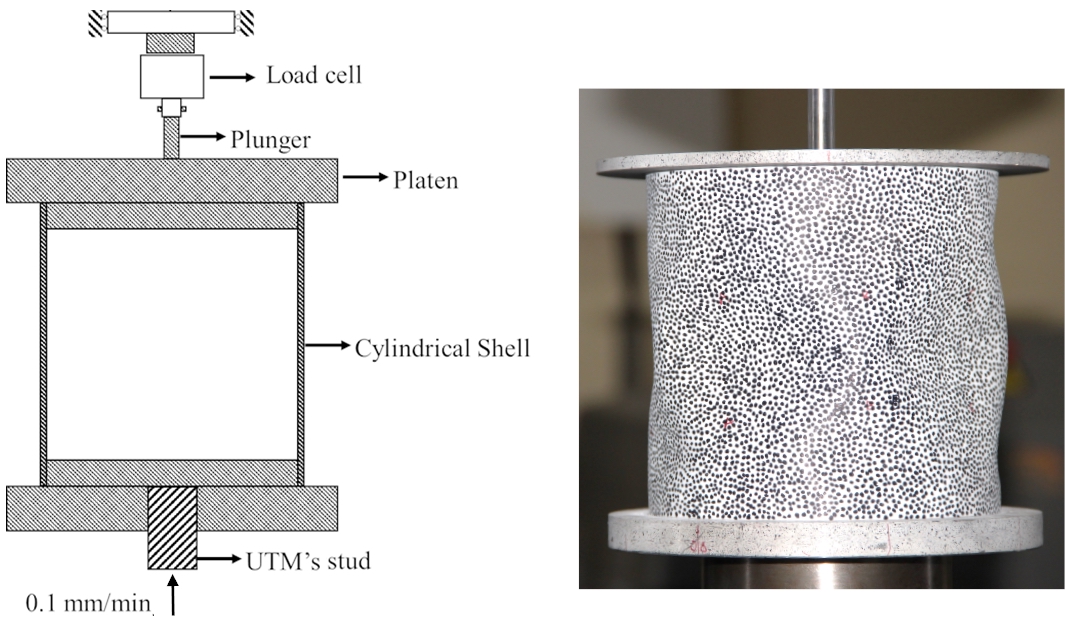
I have just published a new paper in the Proceedings of the Royal Society A with collaborators at IIT Hyderabad (India). Thin-walled cylinders are used in various engineering applications ranging from fuselages in aircraft to fuel tanks in launch vehicle stages. When thin-walled cylinders are compressed, they are susceptible to buckling and this occurs at…
-
BladeUp: an EPSRC Prosperity Partnership
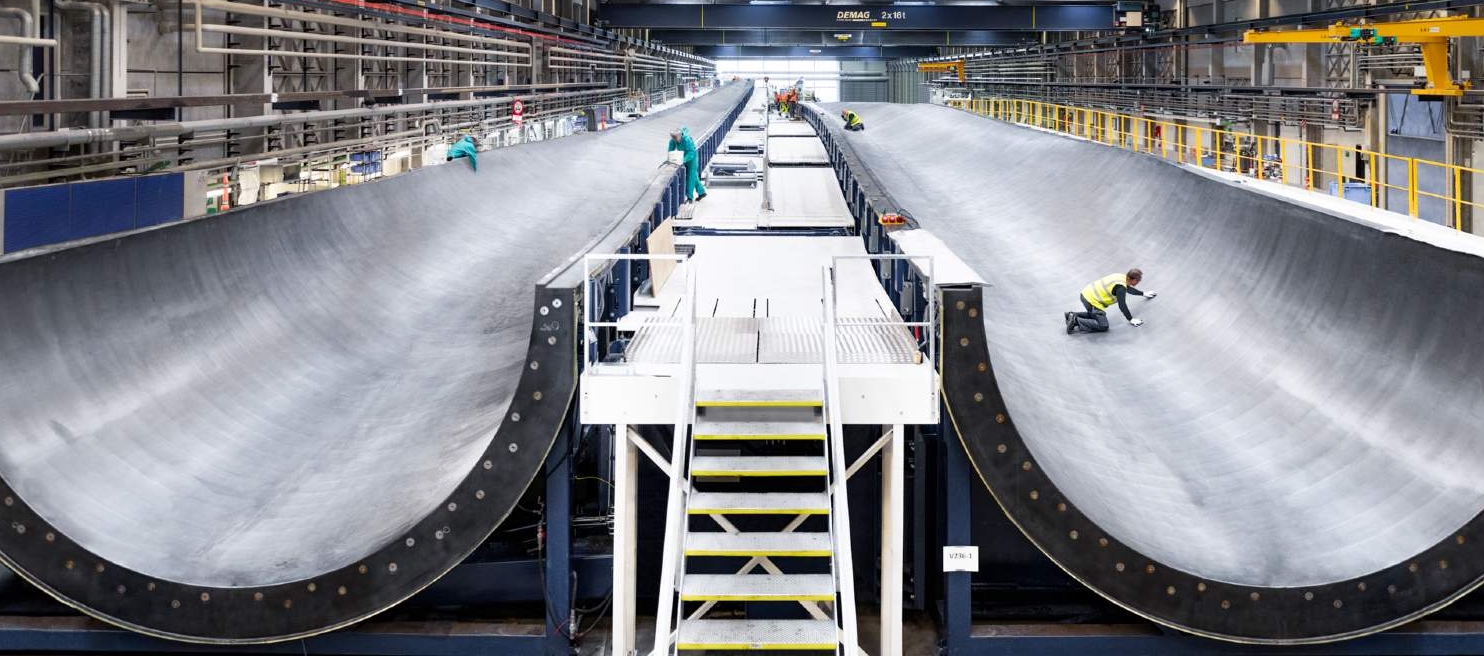
Led by Alberto Pirrera at the Bristol Composites Institute, we’ve been awarded a Prosperity Partnership grant in collaboration with Vestas Wind Systems and LMAT. The BladeUp project will secure the upscaling of wind turbine blade production capacity to meet growing demand in clean wind energy. The project will transform the design and manufacture of wind…